

Check out our work over the years!
Our work has been showcased on National Geographic, New York Times, NPR, and the Washington Post!
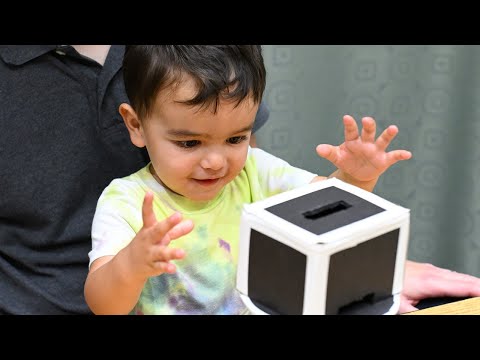 | Can toddlers understand what’s possible and what’s not?Our work shows that even 2- and 3-year-olds can tell the difference between improbable and impossible events—and they actually learn more after seeing the impossible. This study is the first to reveal that children grasp possibility well before they can put it into words. |
Are babies oblivious to danger?Sharing surprising insights (and plenty of baby videos) from studies of early human development, our very own Dr. Liu highlights the unexpected ways babies perceive and respond to risky situations — and what these findings could unravel about the inner workings of our minds. |  |
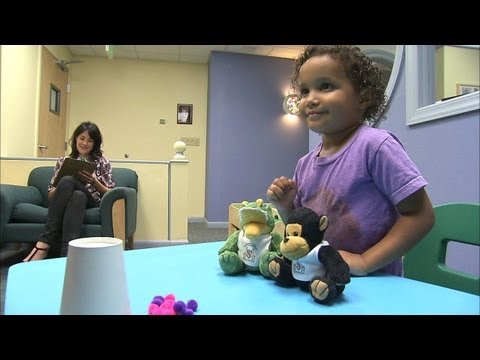 | Can toddlers grasp the concept of possibility?Our work reveals that even 2- and 3-year-olds can differentiate between improbable and impossible events. This groundbreaking research demonstrates that young children learn more effectively after witnessing impossible occurrences. According to our very own Dr. Lisa Feigenson, toddlers think about the world in terms of possibilities well before they acquire the language to describe these mental states. |
Babies learn best when they’re surprisedWe show for the first time that babies learn new things by leveraging the core information they are born with. When something surprises a baby, like an object not behaving the way a baby expects it to, the baby not only focuses on that object, but ultimately learns more about it than from a similar yet predictable object. | 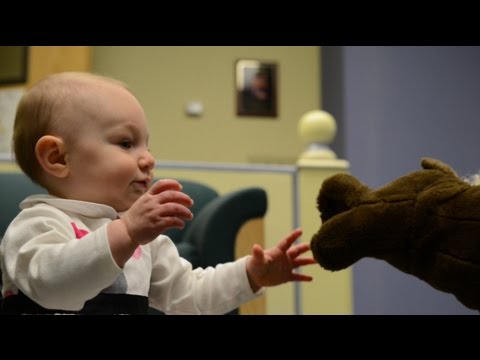 |
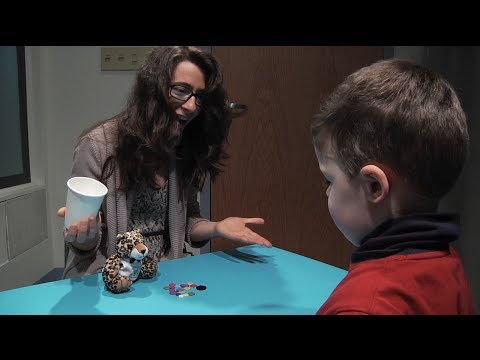 | Can kids do algebra before they can count?
|
Can a 5-minute game boost kids’ math skills?Yes! Our research shows that preschoolers who played a quick “dots” game—where they guessed which color had more dots without counting—scored significantly higher on math tests afterward. The key was starting with easy rounds and gradually increasing difficulty, which helped sharpen their intuitive “number sense.” This finding suggests that even brief, simple activities can meaningfully improve early math abilities. | 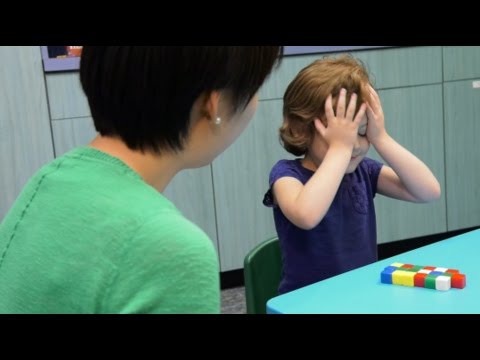 |